Royal Health Pharma Home

Category

Medication Safety

18 articles

Refill Denied: What Is Really Happening Behind the Pharmacy Counter and How to Reclaim Control of Your Prescriptions

Refill Denied: What Is Really Happening Behind the Pharmacy Counter and How to Reclaim Control of Your Prescriptions

A refill rejection at the pharmacy counter can feel arbitrary and opaque, but there are specific technical and administrative reasons these denials occur. Understanding the systems that govern prescription processing—from insurance adjudication codes to pharmacy inventory software—puts patients in a far stronger position. This guide breaks down the most common causes of refill denials and offers concrete, actionable strategies to prevent them.

When Life Turns Upside Down, Your Medications Shouldn't: A Framework for Protecting Your Pharmaceutical Routine Through Major Personal Transitions

When Life Turns Upside Down, Your Medications Shouldn't: A Framework for Protecting Your Pharmaceutical Routine Through Major Personal Transitions

Marriage, divorce, the death of a spouse, and custody arrangements are among the most disruptive events a person can experience — and yet medication management is almost never part of the conversation during these transitions. Gaps in coverage, lapses in adherence, and confusion over prescription ownership can quietly compound the health risks already present during periods of personal upheaval. This article offers a structured, evidence-informed approach to safeguarding your pharmaceutical rout

The Coverage Gap Nobody Warns You About: Protecting Your Medication Access When Your Insurance Plan Changes

The Coverage Gap Nobody Warns You About: Protecting Your Medication Access When Your Insurance Plan Changes

When an insurance plan changes mid-year, most patients assume their prescriptions will simply transfer over. In reality, a dangerous window of zero coverage can emerge — one that leaves critical medications inaccessible for days or even weeks. Understanding what happens inside that gap, and how to prepare for it well in advance, could be the most important step you take for your long-term health.

When a New Insurance Card Arrives and Your Medication Routine Unravels: Understanding the Hidden Cost of Mid-Year Plan Switches

When a New Insurance Card Arrives and Your Medication Routine Unravels: Understanding the Hidden Cost of Mid-Year Plan Switches

Switching health insurance plans can feel like a routine administrative task, but for patients managing chronic conditions, a new plan number can quietly dismantle months of carefully established medication stability. Formulary mismatches, prior authorization resets, and pharmacy network gaps are just a few of the hidden obstacles that emerge when coverage changes mid-stream. This article examines the clinical and logistical consequences of insurance transitions and offers concrete strategies fo

Your Brain Is Sabotaging Your Prescription Routine — And Willpower Has Nothing to Do With It

Your Brain Is Sabotaging Your Prescription Routine — And Willpower Has Nothing to Do With It

Millions of Americans miss doses every day not because they are careless or indifferent, but because the human brain is fundamentally ill-equipped to remember repetitive, low-stimulus tasks without structural support. Understanding the neuroscience behind medication forgetfulness — rather than blaming personal discipline — is the first step toward building a routine that actually holds. This article examines why memory fails us at the medicine cabinet and what evidence-based strategies genuinely

Ghost Medications and Silent Charges: How Phantom Pharmacy Billing Is Draining American Wallets

Ghost Medications and Silent Charges: How Phantom Pharmacy Billing Is Draining American Wallets

Millions of Americans are unknowingly paying for prescriptions they never collected, the result of billing gaps between pharmacies, insurers, and patients that rarely surface until the financial damage is done. Understanding how phantom pharmacy charges occur — and how to dispute them — is a critical but overlooked dimension of medication safety. This guide walks you through the mechanics of erroneous pharmacy billing and the concrete steps you can take to protect yourself.

Your Prescription Changed and Nobody Told You: The Hidden Practice of Therapeutic Substitution

Your Prescription Changed and Nobody Told You: The Hidden Practice of Therapeutic Substitution

Millions of Americans pick up their prescriptions only to discover a different medication in the bag than what their doctor ordered. Therapeutic substitution — the practice of replacing one drug with a chemically distinct alternative — happens more often than most patients realize, and the consequences range from inconvenient to genuinely dangerous. Understanding how this process works is the first step toward taking meaningful control of your own treatment.

Changing Pharmacies Without a Plan: The Silent Threat to Your Medication Safety

Changing Pharmacies Without a Plan: The Silent Threat to Your Medication Safety

Switching pharmacies may seem as routine as changing grocery stores, but your prescription history does not automatically follow you. Gaps in medication records, missed interaction alerts, and duplicate therapies can emerge when patients move their prescriptions without a deliberate transition strategy. Understanding what is at stake — and how to protect yourself — can prevent a seemingly administrative decision from becoming a clinical one.

When Your Medication Is the Culprit: How Side Effects Masquerade as New Diagnoses and Push Patients Deeper Into the Prescription Cycle

When Your Medication Is the Culprit: How Side Effects Masquerade as New Diagnoses and Push Patients Deeper Into the Prescription Cycle

A troubling pattern in American healthcare sees adverse drug reactions routinely mistaken for emerging health conditions, prompting physicians to prescribe additional medications that compound the original problem. This phenomenon, sometimes called a prescribing cascade, affects millions of patients who may be carrying diagnoses they never actually had. Understanding how to recognize this cycle is one of the most consequential steps a patient can take to protect their own health.

When the Cocktail Hour Becomes a Medical Crisis: What Alcohol Actually Does to Your Prescriptions

When the Cocktail Hour Becomes a Medical Crisis: What Alcohol Actually Does to Your Prescriptions

The warning label says 'avoid alcohol,' but few patients understand why — or what happens when they don't. Alcohol doesn't simply diminish a medication's effectiveness; in many cases, it chemically transforms how a drug behaves in the body, sometimes with life-threatening consequences. This article examines the specific mechanisms behind alcohol-drug interactions and identifies the combinations that carry the greatest risk for American patients.

What You Eat Could Be Undermining Your Prescription: The Overlooked World of Food-Drug Interactions

What You Eat Could Be Undermining Your Prescription: The Overlooked World of Food-Drug Interactions

The food on your plate and the beverage in your glass can do far more than nourish you — they can profoundly alter how your body processes prescription medications. From grapefruit juice to leafy greens, certain dietary choices have the potential to render treatments ineffective or push drug concentrations to dangerous levels. Understanding these interactions is a critical, frequently overlooked dimension of medication safety.

Your Insurer Changed the Rules in the Middle of the Game: What Mid-Year Formulary Updates Mean for Your Wallet and Your Health

Your Insurer Changed the Rules in the Middle of the Game: What Mid-Year Formulary Updates Mean for Your Wallet and Your Health

Insurance companies are permitted to alter their covered drug lists during the plan year, and millions of Americans discover this only when they arrive at the pharmacy counter facing a bill they never anticipated. Understanding how formulary updates work — and what protections exist — can be the difference between maintaining a stable treatment plan and scrambling to cover unexpected costs. This guide explains the mechanics of mid-year formulary changes and provides actionable steps to defend yo

Why the Medication That Served You Well at 50 May Need a Second Look at 70

Why the Medication That Served You Well at 50 May Need a Second Look at 70

The human body undergoes profound physiological changes with age, and those changes have direct, measurable consequences for how medications are absorbed, distributed, and eliminated. A drug regimen that was perfectly calibrated in middle age may become subtly—or dangerously—misaligned by the time a patient reaches their late sixties or seventies. This guide helps older Americans and their caregivers recognize the signs of age-related medication problems and know when to seek a formal review.

The Clock Is Part of the Prescription: How Medication Timing Directly Shapes Whether Your Treatment Works

Emerging research in chronopharmacology — the science of how the body's internal clock affects drug metabolism — reveals that taking your medication at the wrong time of day can meaningfully reduce its effectiveness or amplify its side effects. From statins to antihypertensives to corticosteroids, the hour at which you swallow a pill is not incidental. This guide explains the biological mechanisms behind optimal dosing windows and offers practical strategies for building a timing-conscious medic

What Your Doctor Doesn't Know Could Hurt You: The Hidden Risks of Mixing Supplements and Prescription Drugs

What Your Doctor Doesn't Know Could Hurt You: The Hidden Risks of Mixing Supplements and Prescription Drugs

Millions of Americans take vitamins, herbs, and dietary supplements daily alongside prescription medications—yet few disclose this to their physicians, and even fewer physicians think to ask. The consequences of this communication gap can range from reduced drug efficacy to life-threatening complications. Understanding which combinations pose the greatest danger is an essential step toward safer health management.

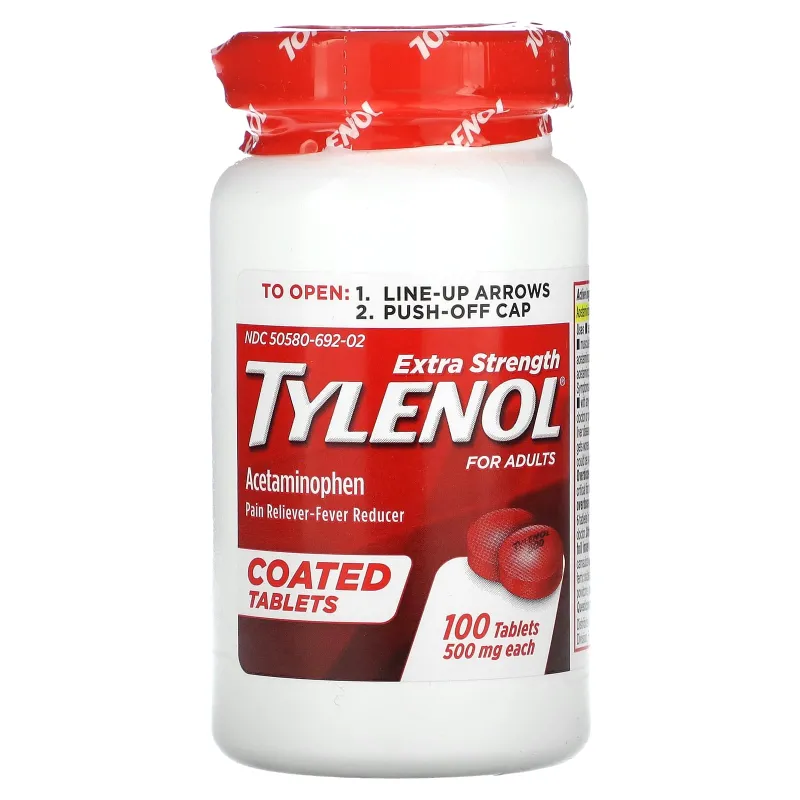
Your Medicine Cabinet May Be Working Against You: The Overlooked Danger of OTC Drug Interactions

Your Medicine Cabinet May Be Working Against You: The Overlooked Danger of OTC Drug Interactions

Millions of Americans reach for over-the-counter medications each day without realizing those familiar pills can trigger serious reactions when combined with prescriptions, supplements, or even certain foods. Clinical pharmacists are raising alarms about a largely invisible public health risk hiding in plain sight. Royal Health Pharma breaks down what you need to know to protect yourself and your family.